
Carolina Fusilier y Miko Revereza en Pu chi pu li, Argentina
Halo Halo
Curaduría: Sofia Dourron y Santiago Villanueva
"halo halo es un postre tradicional filipino que evoca en su fantasía de mezcla-mezcla, en tagalo, una paleta de colores y sabores que deja pocas cosas afuera: hielo raspado, leche evaporada o leche de coco, frijoles rojos y garbanzos endulzados, macapuno (coco gelatinoso endulzado), kaong (semillas de palma en almíbar), nata de coco, camote (batata) morado o amarillo en cubos, plátano (saba) en almíbar, jackfruit (langka) en tiras, gelatina de colores, maíz dulce, una bola helado de ube (ñame morado), flan y arroz inflado crujiente (pinipig) para dar textura. La mezcla se hace previa a tomarlo, y todos los sabores pasan a ser uno. Podríamos decir que la manera en la que trabajan Carolina Fusilier y Miko Revereza tiene algo de halo-halo como método, al convivir y trabajar bajo un mismo techo en San Agustín Etla en Oaxaca: a veces no es tan evidente qué viene desde donde. Si los intereses de Carolina van entre el cine, la pintura y la instalación trabajando con imaginarios de la tecnología en decadencia donde se fusionan cuerpos y máquinas, la práctica de Miko restituye su experiencia como migrante a través de películas, videos y esculturas, y recupera archivos personales para transformarlos en enunciación.
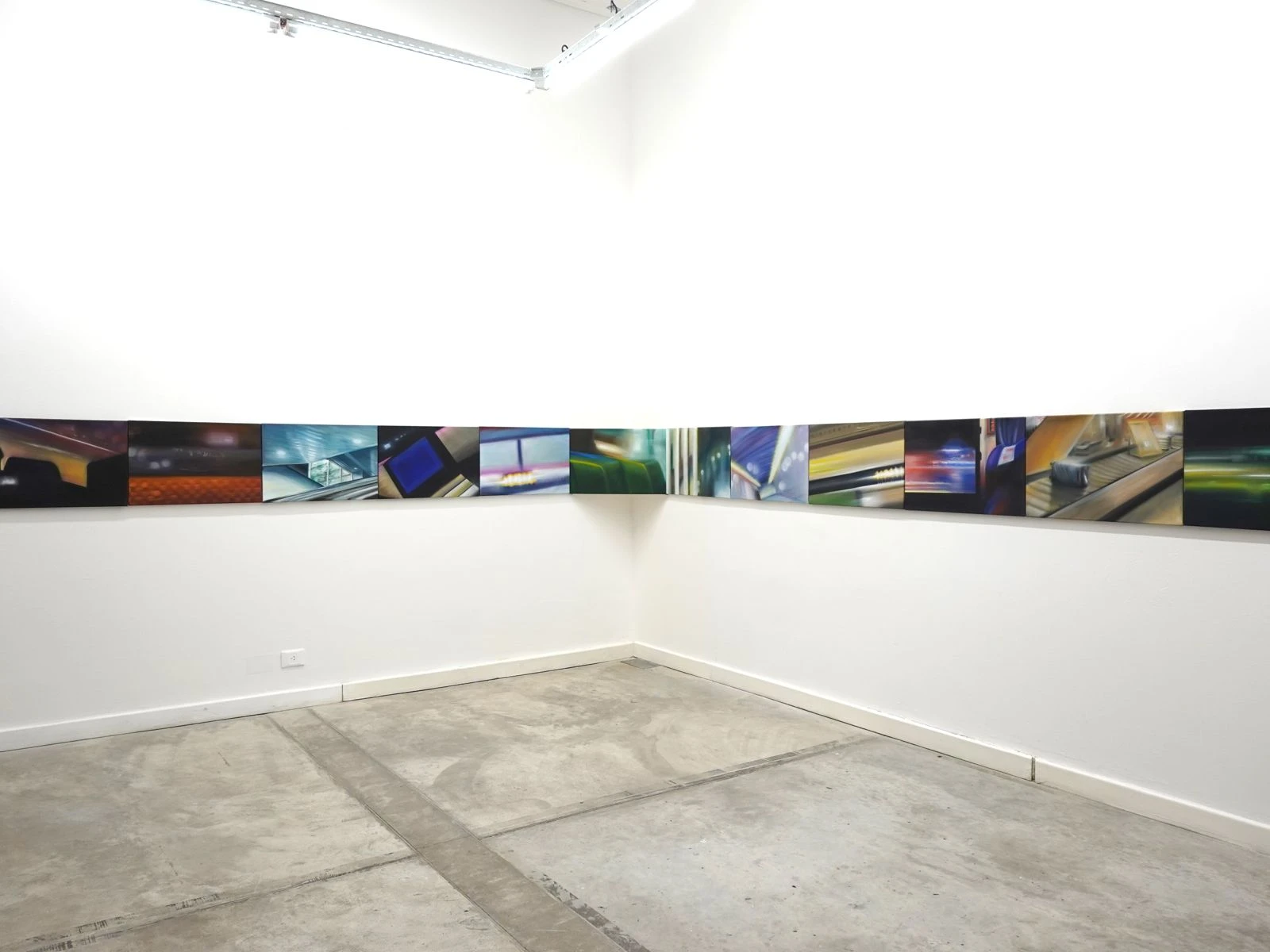
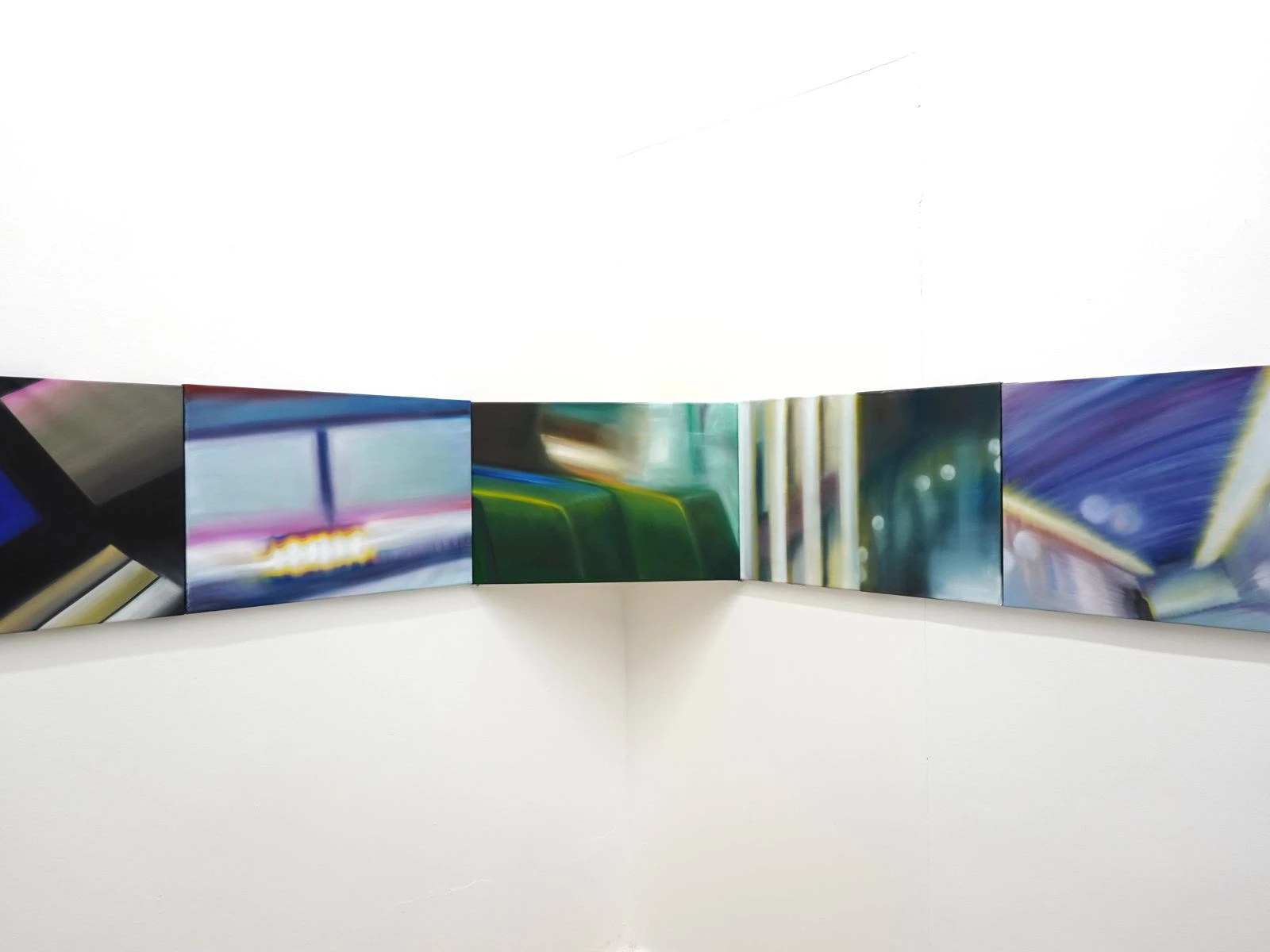
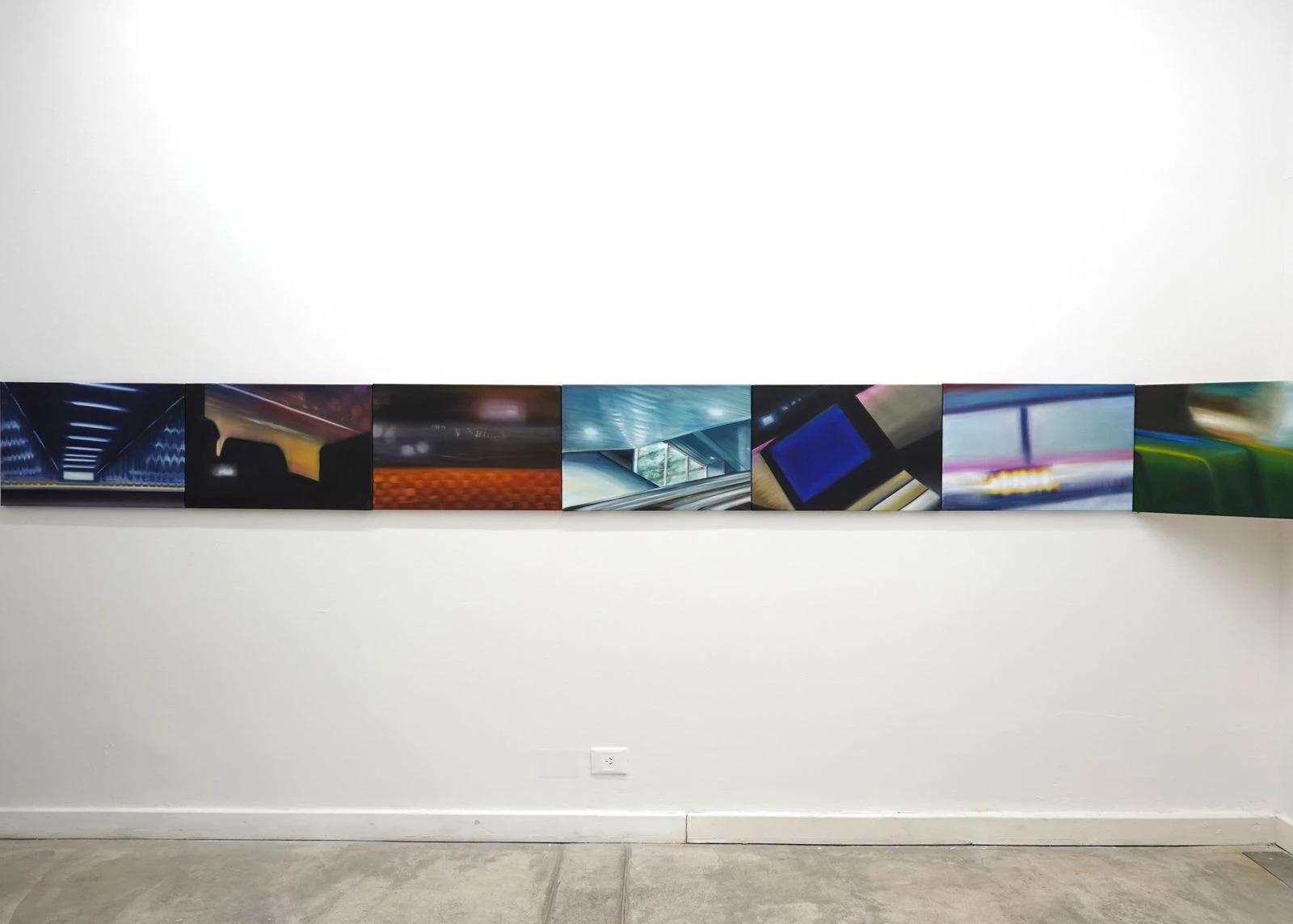
Para su exposición en pu chi pu li se toman licencias para traficar imágenes entre el trabajo de uno y el trabajo del otro, mezclando las maneras en las que piensan y construyen imágenes, que en su pérdida de nitidez y borramiento se presentan con una colorimetría como la del halo-halo. Las imágenes provienen de no-lugares, aeropuertos, terminales o rutas, espacios donde nunca se está detenido y donde la visión está más ligada al desplazamiento que a la imagen quieta. Ni Revereza ni Fusilier viven en los países donde nacieron, aunque algo de sus imaginarios se entrecruza en que tanto Argentina como Filipinas fueron colonias españolas. Una experiencia distante y concreta a la vez. Sin embargo, viven en México, otra ex colonia de España, donde juntos desarrollan en Oaxaca Cinema Antena, un proyecto comunitario de proyecciones, exhibiciones y talleres. Sus prácticas refieren a algunas historias de sus lugares de origen, personales e históricas, mezcladas con otras de donde residen o habitan, pero también de los lugares entre- medio de las ciudades, donde no se sabe bien si es un lugar u otro.
La serie de esculturas que presenta Miko, como un diagrama o un sistema modular que va generando algo parecido a un plano de una ciudad, recupera algo de su experiencia con la burocracia migratoria para sacar su visa para venir a Argentina, y la imposibilidad de lograrla para estar presente en esta exposición. Estos objetos van construyendo una frontera propia, una composición de ciudad posible, apoyada sobre la repetición de sellos, esquemas y signos del mismo territorio repetitivo de la oficina de estado.
Las pinturas de Carolina, en cambio, contraponen a esa fórmula burocrática de la frontera la indefinición cinemática y fantasmática del espacio deshabitado, abandonado o, lisa y llanamente, zombie. El vaciamiento de las infraestructuras del pasado y del presente, abre un portal para un futurismo sucio y especulativo. Cuando trabajan juntos, firman como Arquitectura parlante, sin embargo en esta exposición mantienen sus prácticas cercanas pero sin llegar del todo a fusionarse. Casi como un diario de tránsitos compartidos o un viaje sin punto de llegada, invirtiendo prácticas, el video que parece pintura, la pintura que parece video, invocando siempre el espíritu mezcla-mezcla.
Carolina Fusilier & Miko Revereza at Pu chi pu li, Argentina
Halo Halo
Curated by: Sofia Dourron and Santiago Villanueva
“Halo-halo is a traditional Filipino dessert that, through its ”mix-mix“ concept—known as ”halo-halo" in Tagalog—evokes a palette of colors and flavors that leaves little ingredients out: shaved ice, evaporated milk or coconut milk, sweetened red beans and chickpeas, macapuno (sweetened coconut jelly), kaong (palm seeds in syrup), coconut cream, purple or yellow sweet potato (batata) cubes, saba banana in syrup, jackfruit (langka) in strips, colored gelatin, sweet corn, a scoop of ube (purple yam) ice cream, flan, and crispy puffed rice (pinipig) to add texture. The mixture is prepared just before eating, and all the flavors blend into one. We could say that the way Carolina Fusilier and Miko Revereza work has something of the halo-halo method about it, as they live and work under the same roof in San Agustín Etla, Oaxaca: sometimes it’s not so clear where each element comes from. While Carolina’s interests span film, painting, and installation—working with imaginaries of decaying technology where bodies and machines merge—Miko’s practice reimagines her experience as a migrant through films, videos, and sculptures, and recovers personal archives to transform them into artistic expression.
For their exhibition at pu chi pu li, the artists take liberties to interweave images between one artist’s work and the other’s, blending theways in which they conceive and construct images, which—in their loss of sharpness and blurring—are presented with a color palette reminiscent ofhalo-halo. The images come from non-places—airports, terminals, or highways—spaces where one is never at a standstill and where vision is more closely tied to movement than to the still image. Neither Revereza nor Fusilier lives in the countries where they were born, although some aspects of their imaginaries intersect in that both Argentina and the Philippines were Spanish colonies—an experience that is at once distant and concrete.However, they live in Mexico, another former Spanish colony, where together they run Cinema Antena in Oaxaca, a community project featuringscreenings, exhibitions, and workshops. Their artistic practices draw on stories from their places of origin—both personal and historical—blended with stories from where they currently reside or live, as well as from the in-between spaces of cities, where it is unclear whether one is in one place or another.
The series of sculptures presented by Miko—like a diagram or a modular system that gradually generates something resembling a map of acity—draws on her experience with immigration bureaucracy while trying to obtain a visa to come to Argentina, and the impossibility of securing oneto be present at this exhibition. These objects gradually construct a border of their own—a composition of a possible city—based on the repetition of stamps, diagrams, and symbols from the same repetitive territory of the government office. Carolina’s paintings, on the other hand, contrast that bureaucratic formula of the border with the cinematic and phantasmal indefiniteness of uninhabited, abandoned, or—plain and simple—zombie-like space. The emptying out of the infrastructures of the past and present opens a portal to a gritty and speculative futurism. When they work together, they sign their work as Arquitectura parlante; however, in this exhibition, they keep their practices close without ever fully merging them. Almost like a diary of shared journeys or a trip with no destination, they invert practices—the video that looks like a painting, the painting that looks like a video—always invoking the “mezcla-mezcla” spirit.
Imágenes / Images